Thinking about a move to Salem, VA? If you are coming from outside the Roanoke Valley, you probably want quick answers on three things first: what homes cost, how local schools are set up, and what daily driving really feels like. The good news is that Salem offers a compact layout, a mix of housing types, and commute times that are short by regional standards. Let’s dive in.
What Salem feels like
Salem is a small city in the Roanoke Valley with 25,346 residents and a neighborhood-based layout that can feel easier to learn than a larger metro area. According to the U.S. Census QuickFacts for Salem city, the mean travel time to work is 18.7 minutes.
City planning materials describe Salem as a community of neighborhoods with a mix of housing ages, styles, and price points. That matters when you are relocating, because your day-to-day experience may depend less on distance across town and more on which part of Salem best fits your routine.
Salem housing at a glance
If you are budgeting for a move, current housing data points to a market in the upper-$200,000s to low-$300,000s. Recent reports vary by method, but they trend in a similar range.
According to Redfin’s Salem housing market page, the median sale price was $295,000 in February 2026, with homes averaging 48 days on market. The city’s Comprehensive Plan 2045 also notes that the median sale price rose from $265,000 in 2023 to $289,950 in 2025 as of November 24, 2025.
That tells you two useful things. First, Salem has remained relatively attainable compared with many larger markets. Second, price growth and limited land supply mean it still helps to move quickly when a well-matched home hits the market.
Housing types you will see
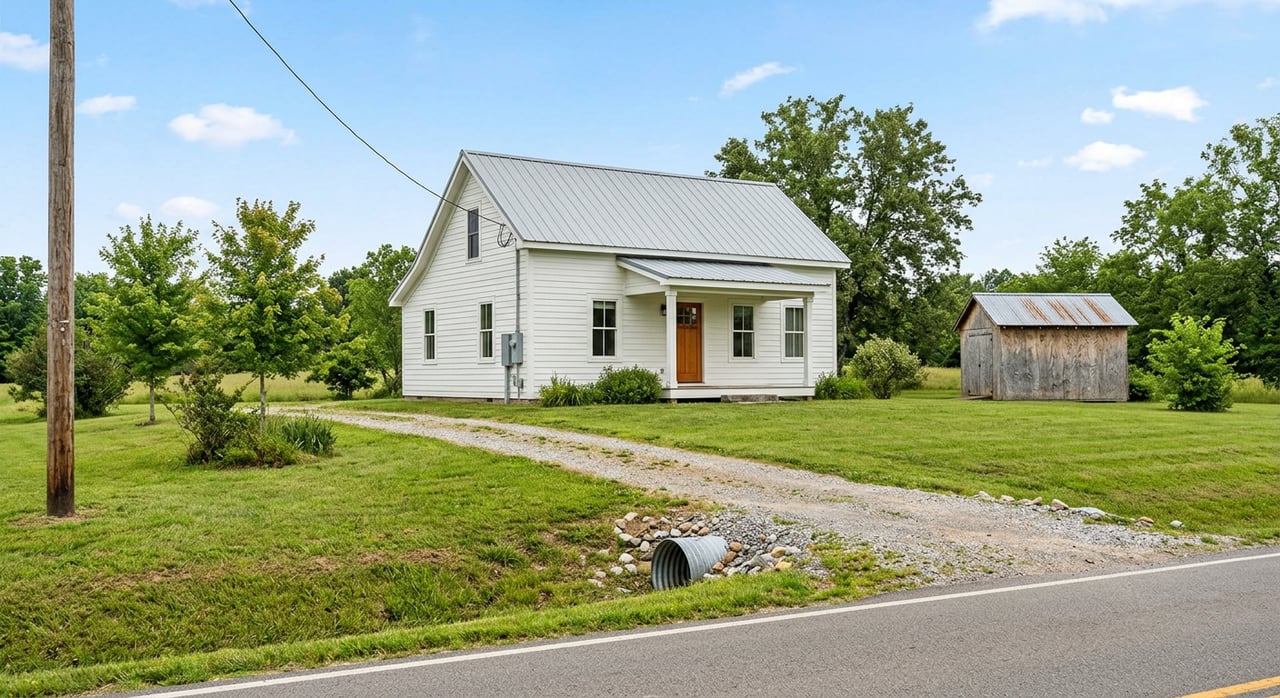
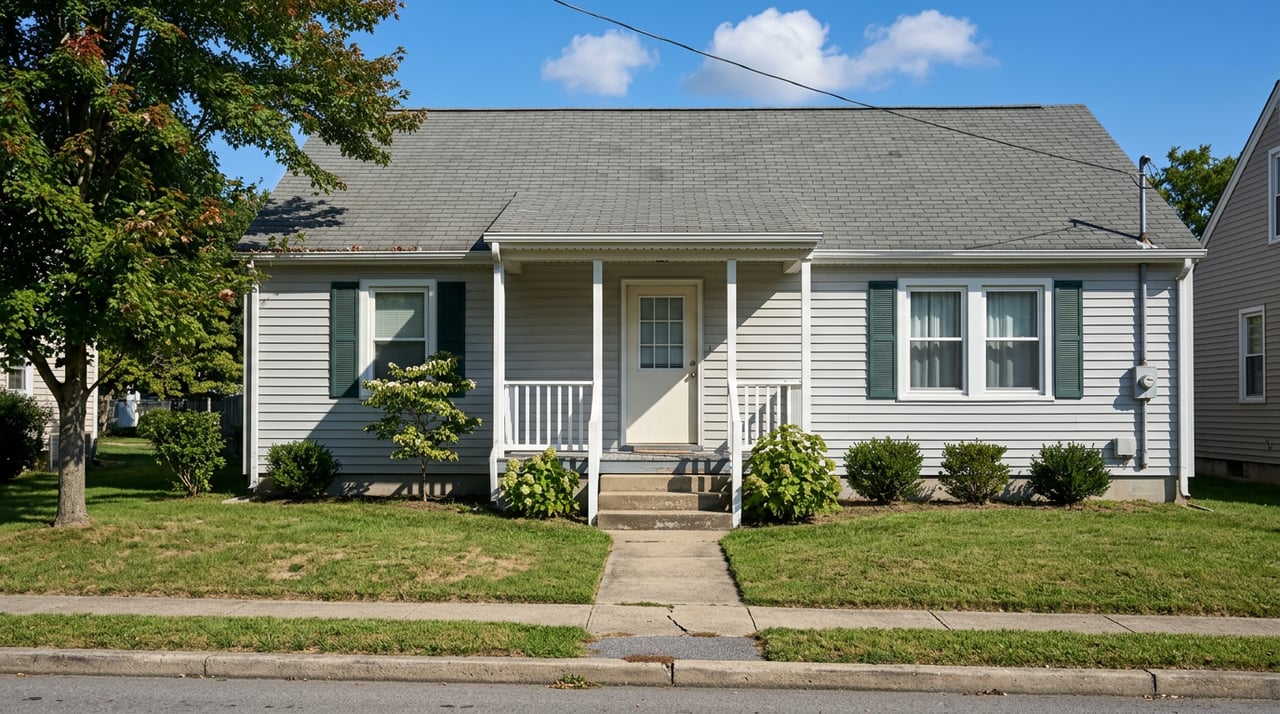
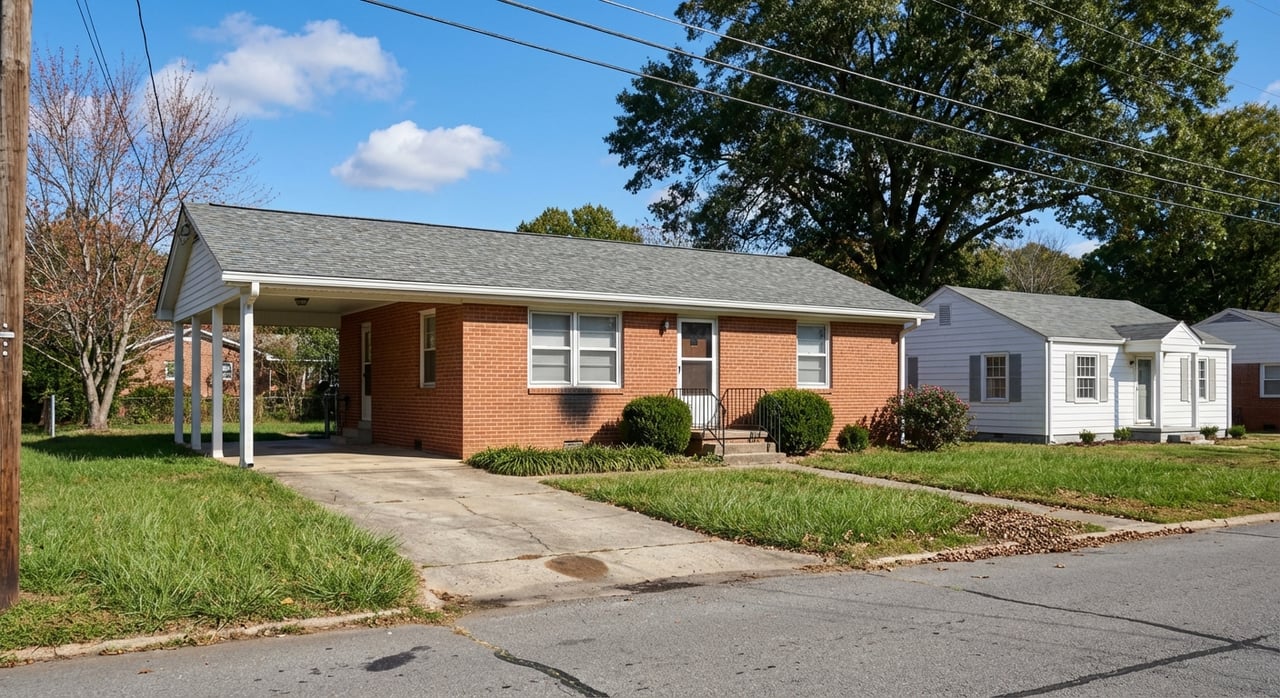
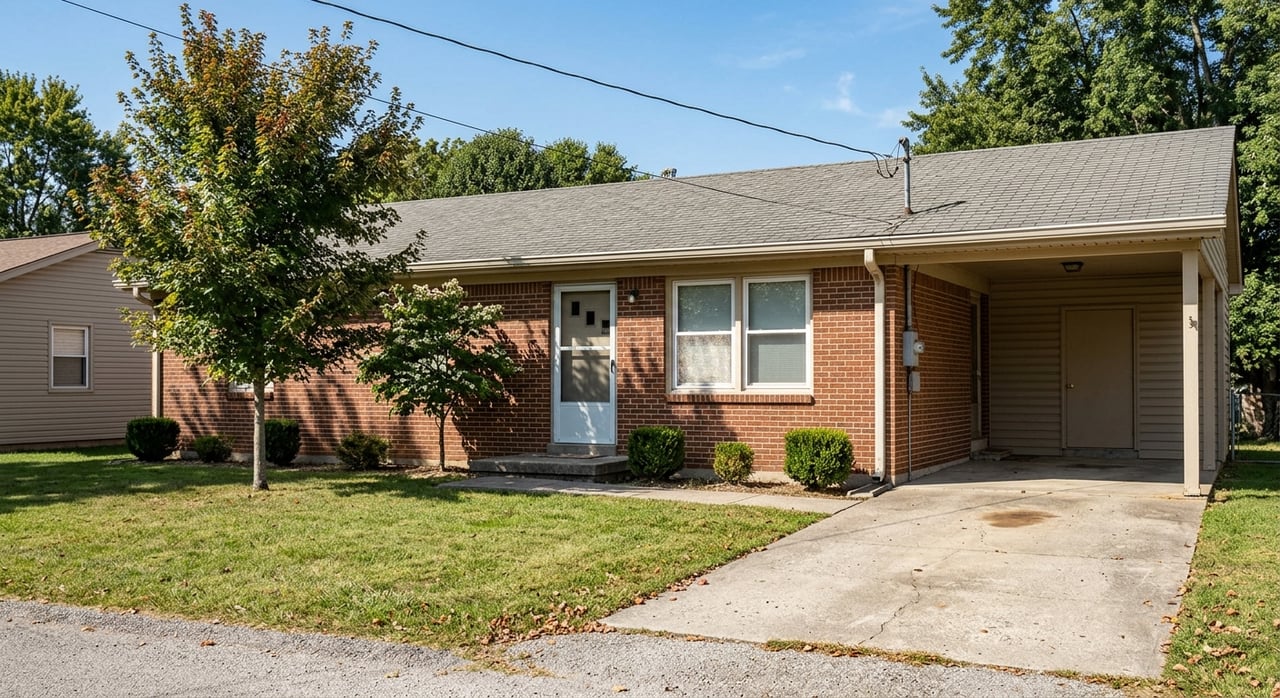
Salem offers a broader mix of housing than many out-of-area buyers expect. The city says you will find single-family homes, apartments, townhouses, and manufactured homes in different parts of the city, according to the city comprehensive plan.
For many buyers, that means Salem can work whether you want a first home, a lower-maintenance option, or a detached property with a more traditional neighborhood setting. The city’s 2045 plan also estimates about 63% owner occupancy and 37% renter occupancy, with a 5.4% rental vacancy rate, which gives a helpful snapshot of the local housing mix.
How to think about Salem neighborhoods
If you are relocating, it helps to think about Salem in a few practical zones rather than trying to memorize every street right away. Planning documents point to several useful comparison areas for buyers.
Downtown and Roanoke College area
Older neighborhoods near downtown Salem and Roanoke College tend to have more historic character. The city notes that these areas have been under some of the greatest pressure from infill and redevelopment, based on the comprehensive planning materials.
If you want to be closer to downtown activity, established blocks, and a more connected street grid, this area may be worth a closer look. Housing age and lot patterns can vary, so this is often a place where careful property-by-property review matters.
South Broad area
The current draft comprehensive plan identifies South Broad as residential. For buyers, that makes it a useful area to compare if you are looking for a more clearly residential setting within city limits, based on the city’s comprehensive plan resources.
Main corridors and access routes
Another practical way to search is by major corridors such as Main Street, Thompson Memorial Drive, and Electric Road. These corridors can shape how quickly you reach work, shopping, or regional connections, and they often matter as much as the mailing address itself.
When I help relocation buyers, this is one of the first filters I suggest: think about the route you will use most often, then narrow homes from there. In Salem, commute convenience is often a corridor decision before it is a city-size decision.
Salem schools and education options
For many relocating buyers, schools are a major part of the home search. Salem City Schools operates four elementary schools, one middle school, and one high school, according to the district website.
The schools listed by the district are:
- East Salem Elementary
- G.W. Carver Elementary
- South Salem Elementary
- West Salem Elementary
- Andrew Lewis Middle School
- Salem High School
According to the Virginia School Quality Profiles division page, all Salem City schools are Fully Accredited. The same source shows South Salem Elementary and Salem High School as Distinguished, while East Salem Elementary, G.W. Carver Elementary, West Salem Elementary, and Andrew Lewis Middle School are listed as On Track.
District size and student enrollment
Salem City Schools is relatively small by Virginia standards, which is often helpful context for relocation buyers trying to understand the scale of the system. The Virginia Department of Education division profile shows 3,984 total students in 2024-25, with 839 students at Andrew Lewis Middle School and 1,202 students at Salem High School, according to the state school quality profile.
The city also highlights a 14:1 student-teacher ratio, plus college and career readiness programming and career and technical education pathways at Salem High School. Salem also references Salem Montessori School as another local education option on the city schools overview page.
How to verify school assignment
If you are comparing homes by school attendance area, do not assume the assignment based on neighborhood name alone. The city provides a GIS school locator that allows you to match a property address or tax parcel to the correct elementary attendance area.
That is one of the easiest steps you can take before touring homes, especially if school boundaries are part of your decision-making process. It can help you avoid confusion and keep your search focused.
Commutes from Salem
One of Salem’s biggest relocation advantages is that daily travel is usually manageable. The Census reports a mean commute of 18.7 minutes, and regional transit planning data cited by Salem shows Salem residents had the shortest average commute time among major Roanoke Valley jurisdictions at 18.8 minutes.
Most commuters in the region drive alone, but commute ease still depends on where you are headed each day. In practice, buyers often choose homes based on which route connects most directly to work, family routines, or frequent errands.
Key driving corridors
Salem’s planning materials identify a few roads that matter most:
- East Main Street connects Salem with Roanoke City
- Thompson Memorial Drive connects Salem to I-81 east of downtown and serves residential areas and Roanoke College
- Electric Road / Route 419 is a key regional route for many daily trips
The city also notes that Valley Metro operates bus routes on Main Street, Apperson Drive, and Electric Road/Route 419, and references STAR for specialized transit options in the Roanoke and Salem area.
Why commute planning matters
If you are moving to Salem for work in Salem, Roanoke, or Roanoke County, the bigger question is often not, “Is the commute long?” It is, “Which corridor will I use most?”
That is an important distinction. A home that looks close on the map may fit your routine better or worse depending on whether you need fast access to downtown Roanoke, the I-81 spine, Roanoke County destinations, or Route 419.
One often-missed step: flood map review
Before you buy, make time to check whether a home is in or near a flood-prone area. Salem notes that some locations are susceptible to flooding, and homes in or near FEMA floodplains may require flood insurance when financed with a federally backed mortgage, according to the city’s flood zone information page.
This does not mean you should avoid every property near a mapped flood area. It does mean you should verify the map status early, understand any insurance requirements, and factor that cost into your monthly budget.
A smart relocation checklist for Salem
If you want to make your move smoother, focus on these steps first:
- Set a realistic price target using recent Salem data in the upper-$200,000s to low-$300,000s.
- Decide whether you prefer older downtown-area housing, a residential area like South Broad, or a corridor-based search near your main route.
- Verify school assignment with the city’s GIS school locator before you commit to touring around one address cluster.
- Test-drive your likely commute during the time of day you expect to travel.
- Check flood map status before writing an offer.
These steps can save time, reduce surprises, and help you compare homes based on how you will actually live in them.
Final thoughts on moving to Salem
Salem can be a strong fit if you want a smaller city feel, a range of housing choices, fully accredited public schools, and short regional commutes. The key is not just finding a house you like. It is matching the home, school assignment, and daily route to the way you actually plan to live.
If you want a local guide who can help you compare Salem streets, interpret market data, and narrow your search with a practical relocation plan, connect with Alexandra Taylor. You will get clear, education-first guidance to help you move with confidence.
FAQs
What is the average commute time for people living in Salem, VA?
- The U.S. Census reports a mean travel time to work of 18.7 minutes for Salem city residents.
What do homes cost in Salem, VA?
- Recent housing data places Salem’s market around the upper-$200,000s to low-$300,000s, with Redfin reporting a $295,000 median sale price in February 2026.
What public schools are in Salem, VA?
- Salem City Schools includes East Salem Elementary, G.W. Carver Elementary, South Salem Elementary, West Salem Elementary, Andrew Lewis Middle School, and Salem High School.
How do you check a school zone for a home in Salem, VA?
- You can verify the elementary attendance area for a property by using the city’s GIS school locator by address or tax parcel.
Are Salem, VA schools accredited?
- Yes. According to Virginia School Quality Profiles, all Salem City schools are Fully Accredited.
Should buyers check flood zones before buying in Salem, VA?
- Yes. Salem says some properties are in or near flood-prone areas, and flood insurance may be required for homes in certain FEMA floodplains when financed with a federally backed mortgage.