Buying land around Bedford can feel exciting and a little overwhelming at the same time. You might picture a future homesite, a small homestead, or a quiet retreat, then wonder what it takes to make that plan real. The truth is, a few early checks will save you time, money, and stress. In this guide, you’ll learn the local steps that matter most in and around Bedford, from zoning and access to wells, septic, floodplain, permits, and financing. Let’s dive in.
Start with location and zoning
Your very first step is to confirm whether the parcel sits inside the Town of Bedford or in unincorporated Bedford County. The town and county have different zoning and permitting processes, and in some cases a single parcel can be split by the boundary. You can start with the Town’s Planning and Community Development page, then call to confirm the correct jurisdiction and zoning district for the specific parcel. Visit the Town’s resource at Town of Bedford Planning and Community Development.
Once you know the zoning district, review what you can build and where you can place it. Bedford County publishes a full zoning ordinance that includes permitted uses, setbacks, overlay districts, and minimum lot sizes. Minimums can change based on whether the site will use public water and sewer or private well and septic, so read the table for your zoning district carefully. You can find the county rules in the Bedford County Zoning Ordinance.
Pay close attention to overlays such as floodplain, wellhead protection, conservation, or historic districts. Overlays can limit building areas, add review steps, or change elevation requirements for a lowest floor. Mapping these early will help you pick a buildable spot and plan your budget.
Verify access and easements
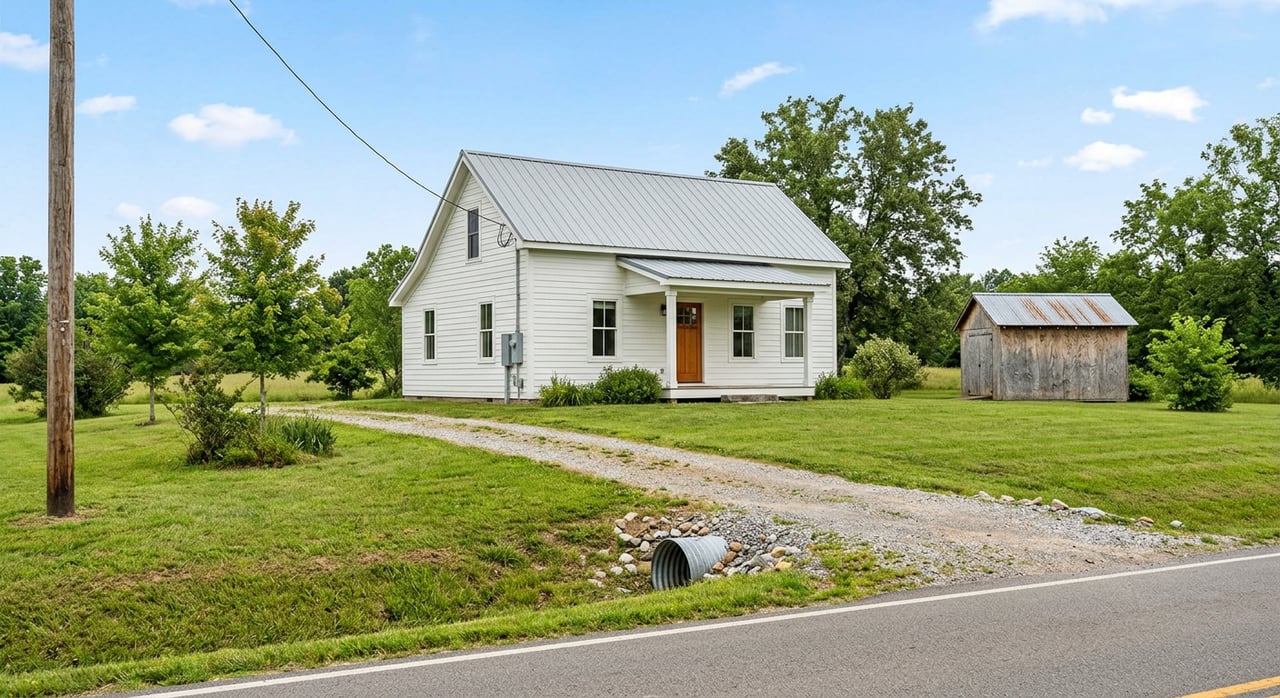
Legal, practical access is a must. If your driveway connects to a state-maintained road, you will almost always need a Virginia Department of Transportation entrance permit. VDOT checks sight distance and may require grading, a culvert, or vegetation clearing to make the entrance safe. Do not assume an existing driveway is grandfathered. Learn more in the state’s access rules at VDOT private entrance requirements.
Many larger tracts are reached by private roads or shared driveways. Ask for recorded easements and any road maintenance agreements. You need to know who maintains the road, whether construction equipment can legally use it, and if the driveway width meets local standards for new lots. For subdivision types and private road standards that may apply to land splits, check Bedford County’s planning page at Planning and Zoning - Bedford County.
If you plan to divide acreage, learn the difference between agricultural, family, minor, and major subdivisions before you buy. Some routes are streamlined, while larger divisions require formal plats, technical review, and public hearings. Confirm timelines and fees so your plan pencils out.
Water, sewer, wells, and septic
Start by asking whether the parcel has access to public water and sewer or if you will rely on a private well and onsite septic. In much of Bedford County, you should expect private systems. The Virginia Department of Health’s Central Virginia office manages local permits for wells and septic systems and can guide you on applications and fees. Explore the program overview at VDH Central Virginia Onsite Sewage and Water Program.
For septic, today’s standard is a professional soil and site evaluation, not just a quick “perc” test. In Virginia, an Authorized Onsite Soil Evaluator or appropriately licensed professional documents seasonal water table, soil texture, depth to rock, and the right system type. That might be a conventional gravity system, a pressure system, or an advanced treatment system if soils are limiting. The evaluation and design are required to obtain a sewage system construction permit before the county can issue a building permit. See application steps in the VDH guide How to Apply for Onsite Sewage and Well Permits.
Private wells are also permitted and regulated by VDH. A construction permit is required, drilling must be completed by a licensed contractor, and new private wells are typically tested for bacteria before use. Plan for well siting that respects setbacks from septic systems and property lines, and ask your driller about depth expectations and costs for the area.
Before you spend money on field work, do a quick desktop review of soils. The USDA NRCS Web Soil Survey lets you view mapped soil types, drainage class, and depth to bedrock, which is a helpful first screen. It is not a substitute for on-the-ground testing, but it can help you compare locations on a tract and plan your next step. Start with the USDA Web Soil Survey.
Floodplain, wetlands, and land disturbance
Flood mapping affects building location, floor elevations, and sometimes your lender’s insurance requirements. Bedford County’s Land Disturbance page links to FEMA maps and outlines local floodplain filing requirements, which you will need if any proposed structure is near a Special Flood Hazard Area. Review local thresholds and guidance at Bedford County Land Disturbance.
Bedford County also requires a Land Disturbing Permit when you disturb more than 10,000 square feet. Disturbance of 1 acre or more, including work that is part of a common plan of development, triggers additional erosion and stormwater controls and state-level coverage. These thresholds can add plan review time and engineering costs, so build them into your schedule.
If your plan includes grading near streams, clearing wet areas, or installing docks or crossings, expect possible federal and state permits for wetlands or waterways. Begin these conversations early and factor the review timeline into your contract and closing dates.
Subdivision basics and minimums
If you are buying with the intent to split acreage, learn the local paths. Bedford County recognizes family, agricultural, minor, and major subdivisions, each with its own standards, fees, and review steps. Agricultural and family splits can be streamlined in certain cases, while larger or more complex divisions require plats, Technical Review Committee review, and public hearings. See the overview sections at Planning and Zoning - Bedford County.
Minimum lot size and frontage vary by zoning district and by utility type. For example, lots served by public utilities can have different minimums than lots on private well and septic. Always read the current ordinance language for the specific district that applies to your parcel. You can review the district standards and overlay maps in the Bedford County Zoning Ordinance.
Budget and timelines to expect
Septic evaluation and design often take 2 to 6 weeks, depending on the season and complexity. Costs range from a few hundred dollars for simple site reports to several thousand when advanced treatment systems and formal designs are required. The local VDH office can share current submittal steps and typical timelines. Start with the VDH Central Virginia Onsite Sewage and Water Program.
Well drilling, completion, and bacteriological testing usually take days to a couple of weeks once permitted and scheduled. Depth and geology drive cost, so request quotes and talk through likely scenarios with your driller.
If your driveway connects to a state road, VDOT’s entrance permit review time varies. Required improvements like culverts, aprons, or grading add cost and labor. Build a cushion into your budget and confirm permit needs early using the VDOT private entrance requirements.
Land disturbance permits can add review time, especially if you cross the 10,000 square foot threshold or approach 1 acre of disturbance. When your plan includes clearing, grading, and site work, talk with your builder and a local engineer to sequence permits before you close.
Financing options and tax considerations
Financing land is different than financing a finished home. Common paths include conventional bank lot or land loans, construction-to-permanent loans if you plan to build soon, and sometimes seller or portfolio financing. Market guides often cite higher down payments and shorter terms for raw land. Many lenders note raw land down payments in the 20 to 35 percent range, with improved lots requiring less. For a plain-English explainer, review this overview from LendingTree on land loans.
If you intend to keep part of the property in active agriculture, forestry, or open space, you may want to ask the county assessor about use-value assessment. Virginia law allows qualifying land to be taxed based on its use, not its market value, which can lower annual taxes. Changing the land’s use later can trigger roll-back taxes, so build that into your plan. You can read the state provisions in the Virginia tax code on use-value assessment.
A practical first-30-days checklist
Use this simple roadmap to move from interest to confident contract and closing:
- Confirm jurisdiction and zoning. Call the Town or County to identify your parcel’s zoning district and any overlays. Start with the Town’s page at Town of Bedford Planning and Community Development or the county’s zoning ordinance linked above.
- Map the basics. Pull the county GIS for parcel lines, easements, and flood overlays. Run the USDA Web Soil Survey to screen soils and note any hydric areas or shallow bedrock.
- Verify public utilities. If public water or sewer is not obvious at the road, plan for private systems and call the local authority to confirm availability and any extension costs.
- Order septic and well evaluations. Hire an AOSE or licensed professional to evaluate soils and propose a system. Follow the VDH steps in How to Apply for Onsite Sewage and Well Permits.
- Check access and driveways. If your entrance ties to a state road, confirm the permit path with VDOT using the private entrance requirements. For private roads or shared drives, collect recorded easements and any maintenance agreements.
- Plan for land disturbance. If you expect to disturb more than 10,000 square feet or approach 1 acre, review thresholds and filing steps at Bedford County Land Disturbance.
- Get financing aligned. Ask lenders which parcel types they will finance, what down payment they require, and whether a construction-to-permanent option fits your build.
- Review title and restrictions. Have your title company search for covenants, conservation easements, timber or mineral reservations, and any roll-back tax liens that could affect your plan.
Local help when you are ready to buy
Buying land is part planning and part execution. When you confirm zoning, access, utilities, soils, floodplain, and financing early, you put yourself in position to buy with confidence and avoid costly surprises. If you want a local, detail-oriented partner to help you evaluate Bedford-area parcels, coordinate due diligence, and negotiate a clean contract, reach out to Alexandra Taylor. We bring an educator’s approach and an investor’s eye to land and acreage, so you can move forward with clarity.
FAQs
What should I check first before buying Bedford land?
- Confirm jurisdiction and zoning, verify legal access, screen soils and floodplain, and decide whether you have public utilities or will need well and septic.
How do septic permits work near Bedford, VA?
- You hire an AOSE or licensed professional for a soil and site evaluation, then apply for a sewage system construction permit through the local VDH office before a building permit is issued.
Do I need a permit to build a driveway on a state road?
- Yes in most cases. If your driveway connects to a VDOT-maintained road, you typically need a VDOT entrance permit with sight-distance and construction standards.
What is the land disturbance threshold in Bedford County?
- A Land Disturbing Permit is required when you disturb more than 10,000 square feet, and additional controls apply at 1 acre or more within a common plan of development.
How can I check soils before I pay for testing?
- Use the USDA Web Soil Survey for a free desktop screen, then hire an AOSE to confirm conditions on site and design the right septic system.
What financing is common for acreage purchases?
- Buyers often use land or lot loans, construction-to-permanent loans, or portfolio financing, and raw land typically requires higher down payments than home mortgages.
Will my lender require flood insurance in Bedford?
- If your planned structure sits in a FEMA Special Flood Hazard Area, many lenders require flood insurance, so check flood mapping early in the process.