Trying to choose between Roanoke and Salem can feel tricky. They sit side by side in the Roanoke Valley, share employers and mountain views, yet offer different daily rhythms. You want solid facts about commutes, schools, housing, taxes, and amenities so you can make a confident call for your lifestyle and budget. This guide gives you a clear, practical comparison and a simple checklist to test your top neighborhoods before you decide. Let’s dive in.
Big picture: size, pace, and cost
Roanoke and Salem are both independent cities, but they differ in scale. Roanoke is the regional hub with a much larger population and a wider mix of neighborhoods. Salem is smaller and more compact with a classic small‑city feel.
- Population: Roanoke is roughly 97,912 residents; Salem is about 25,908. These are recent estimates from the Census QuickFacts tool. You can review Roanoke’s baseline data on the Census site for context. Census QuickFacts: Roanoke City
- Median household income: Roanoke is around $55,378. Salem is around $66,716. These are American Community Survey division‑level estimates in recent multi‑year releases.
- Median owner‑occupied home value: Roanoke is about $190,500; Salem is about $244,800 based on ACS estimates. Remember that these are broad medians and do not reflect neighborhood‑level variation.
- Average commute time: very similar in both cities. Roanoke is about 19.0 minutes; Salem is about 18.7 minutes.
- Real estate tax rate: Roanoke lists about $1.22 per $100 of assessed value. Salem is commonly cited near $1.20 per $100. Always verify current rates with the city before you finalize a budget. City of Roanoke Real Estate Taxes
What this means for you: Roanoke’s size gives you more neighborhood variety and a stronger downtown core. Salem’s smaller scale often appeals if you want a quieter pace with easy access to both Salem and downtown Roanoke job centers. Carrying costs are similar, with small differences in tax rate and typical home values.
Commute and access
In daily life, commute patterns might be your biggest quality‑of‑life driver. The two cities sit right next to each other, and many drives between Salem, downtown Roanoke, and healthcare campuses fall in the 10 to 25 minute range depending on start and end points. Historic descriptions and local geography summaries also note Salem’s immediate proximity to Roanoke within the same labor market. Regional geography context
Highways are the backbone of local travel. I‑581 ties downtown Roanoke to I‑81, which runs past Salem and connects you to the region. If you fly regularly, test your peak and off‑peak drive times to Roanoke‑Blacksburg Regional Airport.
Public transit is a practical option in certain corridors. Valley Metro operates fixed‑route buses, a central transit hub downtown, the Smart Way regional commuter link between Roanoke and Blacksburg, and a flexible micro‑transit pilot called Metro FLX that extends late‑night and Sunday coverage in Roanoke, Salem, and Vinton. If parking is tight near your workplace, these routes can reduce your need to drive daily. Check route maps and timetables for your specific office or hospital. Valley Metro rider resources
Try this quick commute test:
- Map two or three likely neighborhoods in each city to your workplace.
- Drive them during your actual AM and PM windows on weekdays.
- If you prefer transit, plan a trial run using Valley Metro or Smart Way.
- Note average time, stress level, and parking hassle.
Schools and education options
Both cities operate their own school divisions. Roanoke City Public Schools is much larger, while Salem City Public Schools is smaller. Division size can influence program variety, support services, and the feel of each school community.
To compare options accurately, use the Virginia Department of Education’s School Quality Profiles. The profiles list standardized testing data, graduation rates, chronic absenteeism, growth, and career and technical credentials by school and division. Recent profiles also show that Roanoke City serves a larger share of English learners and economically disadvantaged students, which affects division‑level averages and support needs. Review the specific schools tied to the address you are considering.
- Roanoke City Public Schools profile: VDOE School Quality Profiles — Roanoke City
- Salem City Public Schools profile: VDOE School Quality Profiles — Salem City
Practical next steps:
- Confirm current attendance boundaries with the division. Boundaries can change.
- Visit the schools and talk with administrators or PTA groups about programs that matter to you, such as ESL, special education, CTE, IB, or AP.
- Compare outcomes across the specific elementary, middle, and high schools linked to the homes on your shortlist.
Higher education nearby strengthens the local talent pipeline and offers continuing education options. Roanoke College sits in Salem and contributes cultural and sporting events. In Roanoke, Virginia Western Community College and the Virginia Tech‑Carilion health sciences campus, including the Fralin Biomedical Research Institute, support workforce development and research. Roanoke College
Neighborhood feel and housing types
Roanoke’s neighborhoods range from historic, walkable districts to more suburban pockets and nearby county areas with larger lots. West and southwest neighborhoods, including Raleigh Court and Grandin Village, offer tree‑lined streets, early 20th‑century homes, and a main‑street environment with local shops and the independent Grandin Theatre. Historic Grandin Village
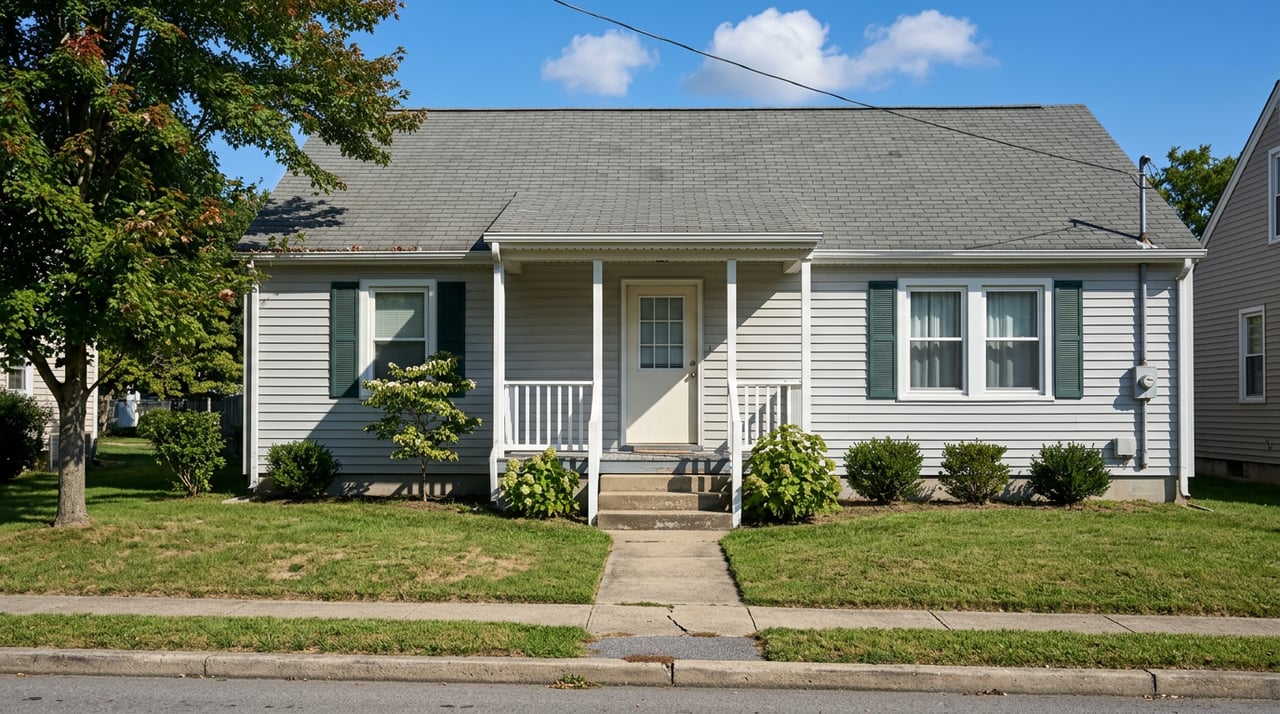
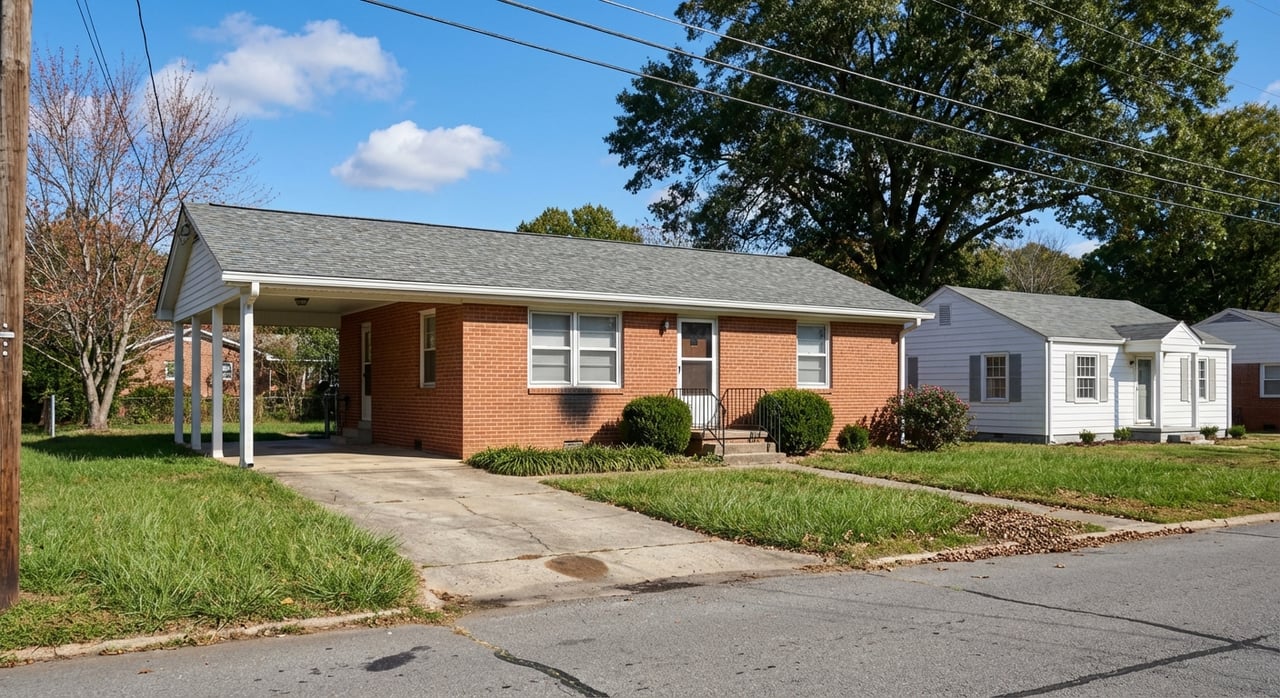
You will also find a mix of styles in Old Southwest, Wasena, and South Roanoke, along with in‑fill homes and condos. That mix gives you choices if you want a classic bungalow, a brick ranch, a Craftsman, or low‑maintenance living close to downtown.
Salem presents smaller, suburban neighborhoods with a defined civic center and a compact downtown. The city highlights its own parks and events and notes city‑provided services such as electric and water. Many residential blocks include older single‑family homes and yards, with short drives to both Salem employers and downtown Roanoke. About Salem
When you tour, pay attention to:
- Architectural age and maintenance patterns on the block.
- Street width, sidewalks, and lighting if walkability matters.
- Drive time to your routine stops, including childcare, groceries, trailheads, and medical providers.
What homes cost, and how to read the numbers
Price trackers often tell slightly different stories because of methodology. Some use monthly sold prices confined to city limits. Others aggregate active listings or model home values across longer windows. That is why the same market can show different medians in different sources.
Recent snapshots in late 2025 and January 2026 illustrate the range. A monthly sold‑price view placed Roanoke’s city median near about $194,500, while a similar snapshot placed Salem around $278,000. Other valuation and listing aggregates for Roanoke showed medians in the mid to high $200,000s. Treat these as indicators, not absolutes, and always compare homes by neighborhood and property type.
To get a realistic picture:
- Narrow by neighborhood or zip code. Citywide medians hide big variation between streets.
- Compare like with like. A small historic bungalow, a townhome, and a newer single‑family home trade at different levels even in the same area. Lot size and parking also matter.
- Watch supply and demand. Smaller markets and desirable pockets can be competitive. Review months of supply, days on market, and 12‑month sold comps.
- Include carrying costs. Factor real estate taxes in your annual budget. Roanoke lists about $1.22 per $100 assessed value. Salem commonly cites near $1.20 per $100. Confirm rates before you finalize an offer. City of Roanoke Real Estate Taxes
The most accurate view for your decision is a current comparative market analysis for the exact neighborhood and home style you want.
Lifestyle and amenities
Roanoke’s larger downtown and cultural scene stand out. You can spend weekends at the Taubman Museum, shop and dine at the City Market, or catch a movie at the Grandin Theatre after dinner in Grandin Village. Outdoor lovers have close access to the Star atop Mill Mountain, the Roanoke River Greenway, and Carvins Cove, a major trail system and reservoir known for mountain biking and hiking. Grandin Village details | Carvins Cove overview
Roanoke is also home to major healthcare employers, including the Carilion system and research partners, which anchor many professional roles in the city. Leading employers overview
Salem’s civic life centers around its compact downtown, parks, and community events. The Salem Civic Center hosts large regional gatherings, and the city’s calendar features events like Olde Salem Days and the Salem Fair. Roanoke College adds college‑town energy, cultural programming, and athletics. Salem also hosts LewisGale Medical Center and a VA medical center, which is helpful if your household includes healthcare workers or veterans. Salem Civic Center information | Roanoke College
Your best choice depends on the rhythm you prefer. If you want walkable historic neighborhoods with quick access to a dense cultural core and varied housing, Roanoke may fit. If you favor smaller‑city neighborhoods and a compact civic center with short drives to both Salem and downtown Roanoke, put Salem at the top of your list.
Which city fits your goals
- Choose Roanoke if you want a wider range of neighborhood styles, a bigger downtown, and short urban commutes, especially if you work in or near major healthcare and research hubs.
- Choose Salem if you prefer a quieter small‑city setting, a college‑influenced atmosphere in parts of town, and quick access to both Salem employers and downtown Roanoke while staying in a more compact footprint.
Both choices keep you close to the same mountains, airport access, and regional job market.
Quick decision checklist
Use this to move from browsing to clarity:
- Commute test
- Time two or three likely neighborhoods during your AM and PM windows. Try the Valley Metro or Smart Way routes if transit is a preference. Valley Metro
- School due diligence
- Pull the VDOE profiles for the exact schools tied to your short list. Confirm boundaries with the division and visit. Roanoke City profiles | Salem City profiles
- Housing type filter
- Decide if you want a historic bungalow, a newer single‑family home, a condo, or low‑maintenance townhome. Then compare apples to apples in that category.
- Budget and carrying cost
- Run examples that include mortgage, taxes, insurance, and any HOA. Use current locality tax rates and recent sold comps. Roanoke tax info
- Lifestyle non‑negotiables
- List your top three must‑haves, such as evening arts, trailheads within 10 minutes, or proximity to the airport. Score each neighborhood against that list.
- Healthcare and services
- If medical access matters, map drive times to Carilion facilities in Roanoke or LewisGale and VA medical services in Salem. Employer overview
- Market clarity
- Ask for a 12‑month set of sold comps, days on market, and any planned public or commercial projects that could change traffic patterns or noise.
Ready to compare homes block by block?
If you are weighing Roanoke versus Salem, the right answer comes from testing your commute, validating schools for your address, and comparing like‑for‑like homes in the neighborhoods that match your lifestyle. If you want a data‑backed short list and on‑the‑ground insight, reach out. I will walk you through a neighborhood‑level CMA, tour options, and a clear purchase plan.
Let’s find the right fit for you in the Roanoke Valley. Connect with Alexandra Taylor for a free consultation or an instant home valuation.
FAQs
What are the key differences between Roanoke and Salem for homebuyers?
- Roanoke is larger with more neighborhood variety and a bigger downtown, while Salem is smaller and more compact. Median incomes and median home values tend to run higher in Salem based on recent ACS estimates. Commute times are similar in both cities.
How do real estate taxes compare in Roanoke vs Salem?
- Roanoke lists about $1.22 per $100 of assessed value, while Salem is commonly cited near $1.20 per $100. Always confirm current rates with the city when you calculate your annual carrying costs. Roanoke tax information
How long is the average commute in each city?
- The mean travel time to work is similar. Roanoke averages about 19.0 minutes and Salem about 18.7 minutes according to recent Census data, reflecting short cross‑valley drives.
What is the best way to compare schools in Roanoke and Salem?
- Use the Virginia Department of Education School Quality Profiles to review metrics for the specific schools tied to the address you are considering. Confirm attendance boundaries with the division and schedule school visits. VDOE profiles
How do home prices typically compare between the two cities?
- Recent market snapshots showed a lower city median in Roanoke and a higher median in Salem, though different trackers report different figures. Focus on a neighborhood‑specific CMA for your property type to get an accurate read.
Are there viable public transit options for commuters?
- Yes. Valley Metro offers fixed‑route buses, a downtown transit center, the Smart Way regional commuter link, and Metro FLX micro‑transit that extends late‑night and Sunday coverage within Roanoke, Salem, and Vinton. Check routes for your employer. Valley Metro resources