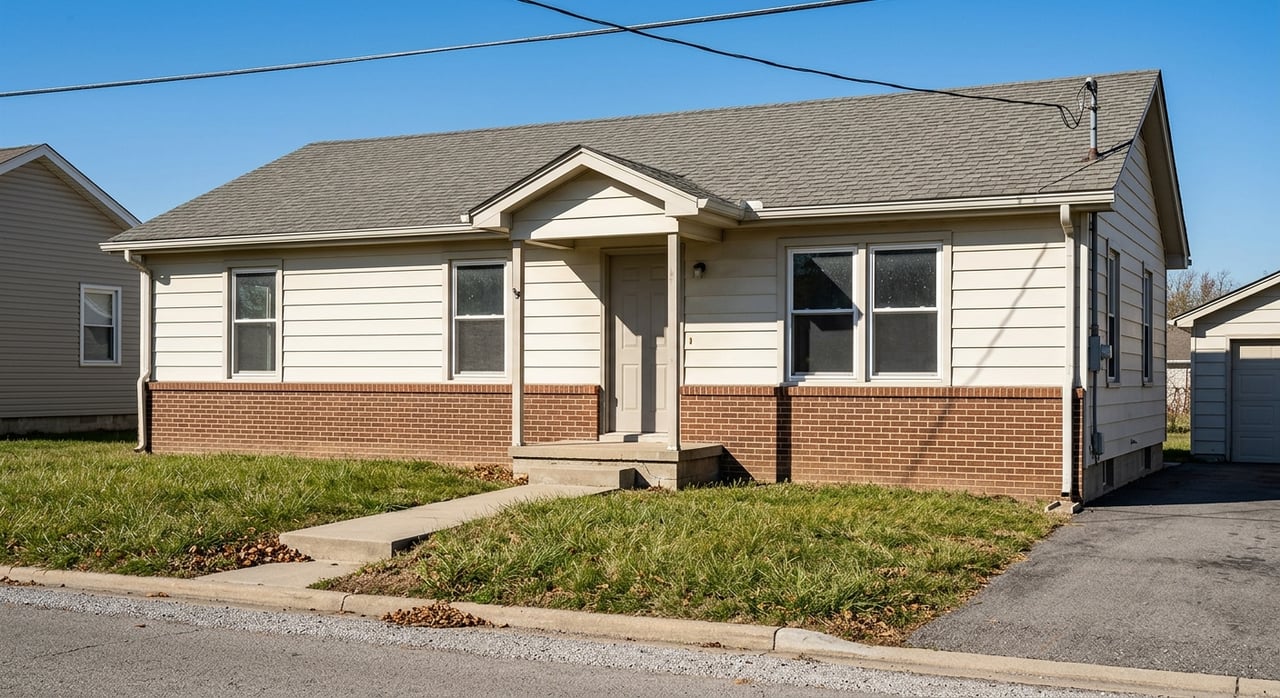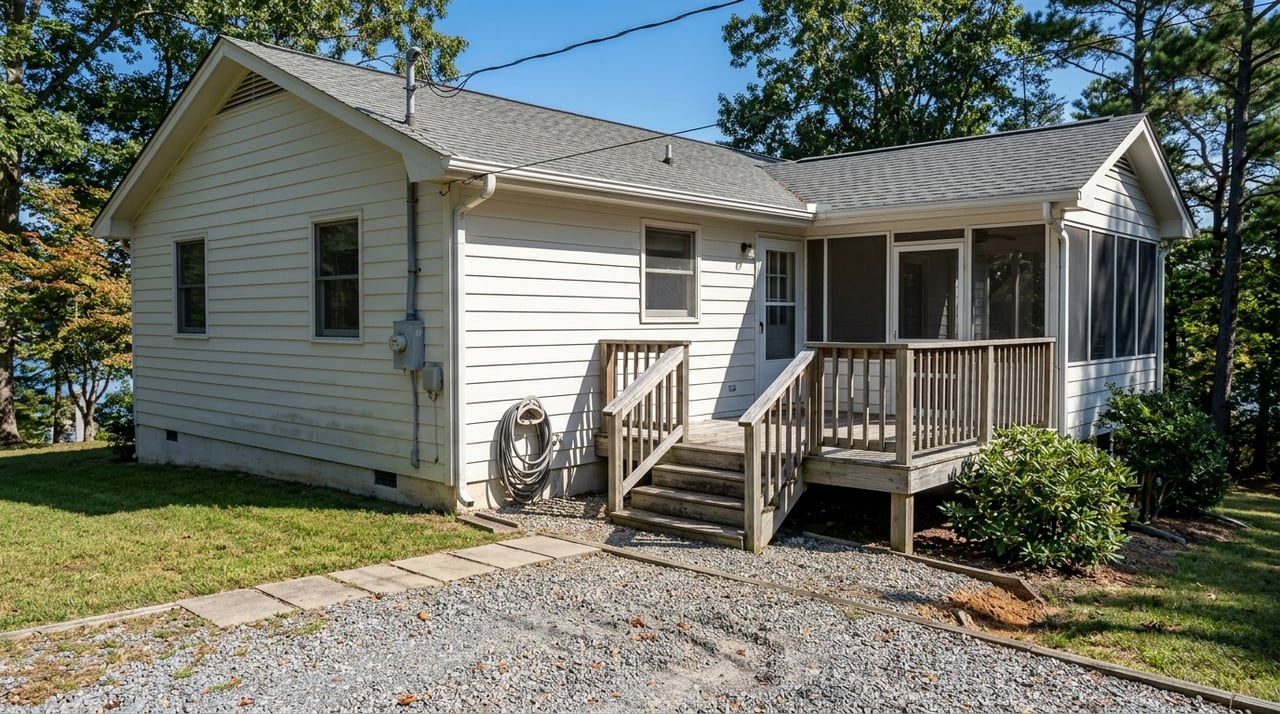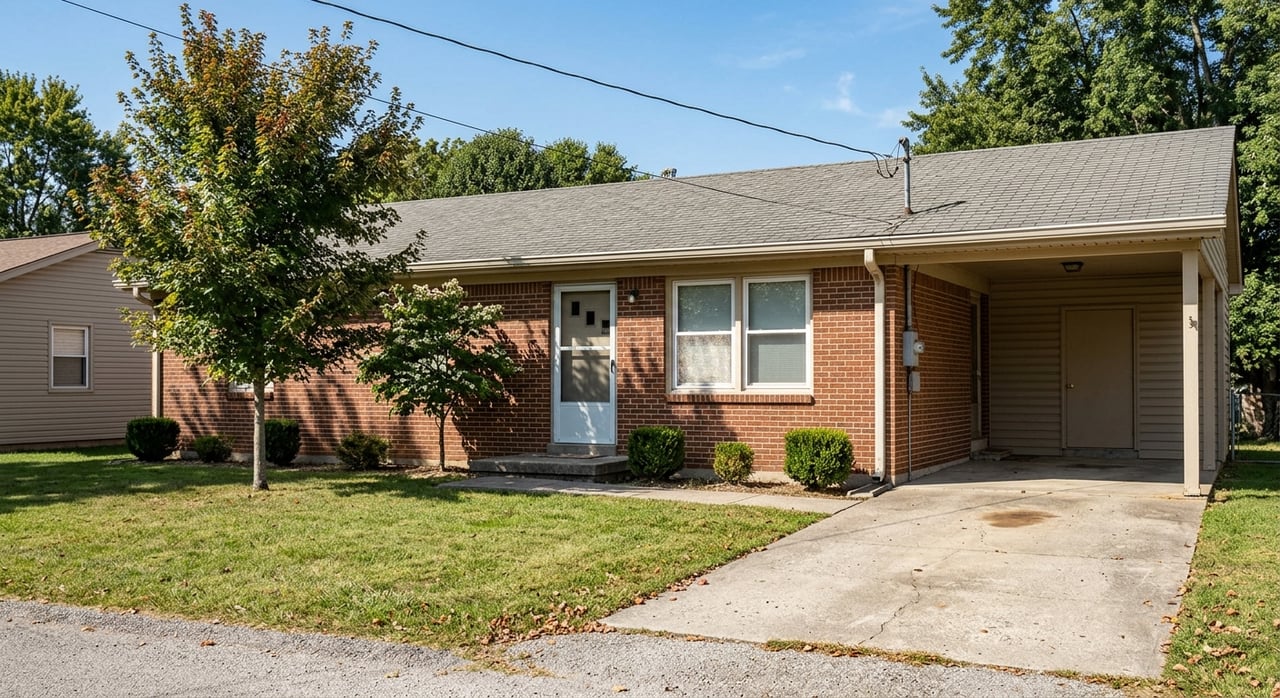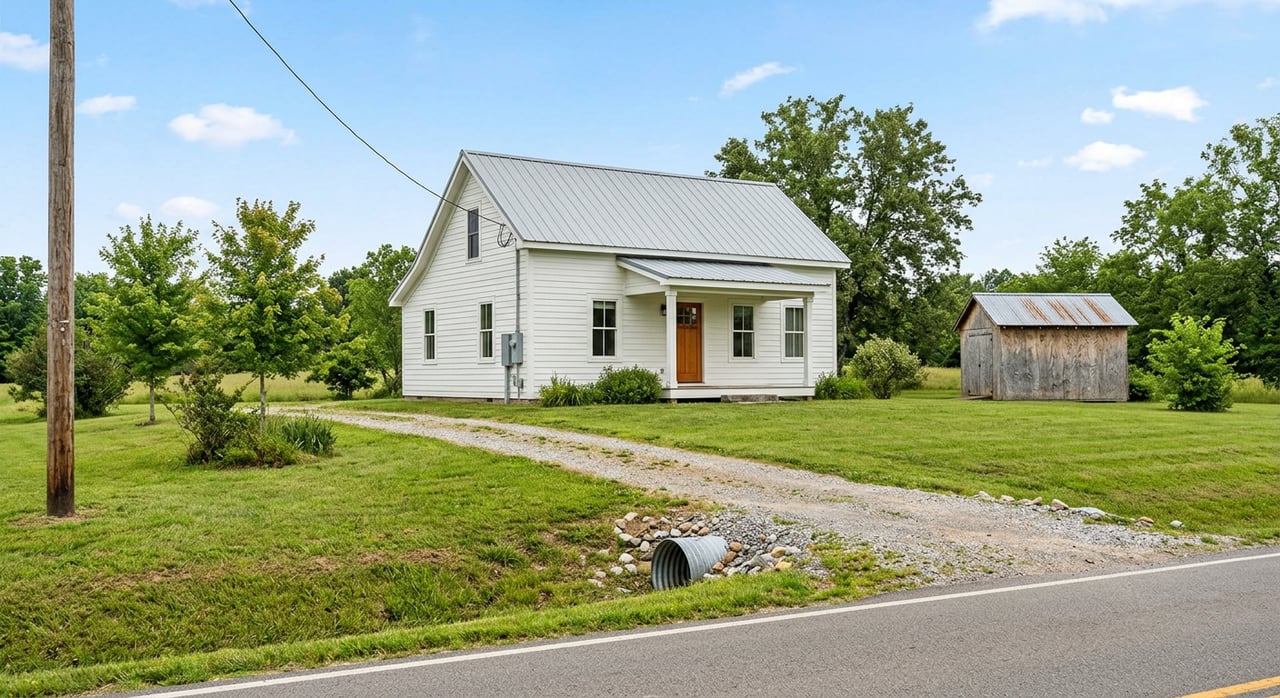
Selling a home in Roanoke while you live in another state can feel daunting. You might be wondering how to price it right, manage showings, handle Virginia paperwork, and close without flying back. The good news is that remote selling is common here, and with a clear plan and the right local team, you can move from listing to closing smoothly. In this guide, you will learn the Roanoke‑specific steps, legal must‑dos, and practical checklists to sell confidently from anywhere. Let’s dive in.
Roanoke snapshot and why it matters
Before you pick a price or a timeline, ground your plan in local data. The Roanoke Valley Association of REALTORS (RVAR) reports regional market activity and trends, including a recent median sold price near $280,000 in early 2026. You can review current market context on the RVAR site.
Automated estimates on national websites vary because they use different geographies. For accurate pricing, rely on a local Comparative Market Analysis prepared from the RVAR MLS. Build your pricing strategy with that CMA, not just an online estimate.
Also factor in city taxes at the start. Roanoke City lists a real estate tax rate of $1.22 per $100 of assessed value, with payments typically due April 5 and October 5. Your title company will prorate taxes at settlement, but it helps to confirm balances early. See the Roanoke City tax page for details.
Step‑by‑step plan for out‑of‑state sellers
Get a precise local valuation
- Ask your listing agent for a full CMA using recent MLS sales, condition adjustments, and neighborhood trends.
- Use online estimates only as a secondary reference. Local MLS comps usually outperform automated tools in smaller regional markets.
- Revisit pricing after your pre‑list inspection and any repairs.
Decide your sale strategy
- Discuss a traditional full‑market listing versus an investor offer or auction. Your agent can explain how current inventory and buyer demand in the RVAR MLS may affect showings, timing, and offers.
- If speed is the priority, you might favor a shorter prep period and a pricing strategy that prioritizes certainty.
Do a pre‑list inspection and repairs
- Order a pre‑listing inspection to spot items that could delay a buyer’s loan approval, such as roof, HVAC, electrical, or structural issues.
- Hire licensed and insured Virginia contractors and keep all invoices and permit records for the settlement file. For guidance on verifying contractor credentials and permits, review this Virginia‑specific overview of licensing and hiring best practices (contractor licensing guidance).
- Decide what to repair now versus credit at closing, especially if managing larger projects from afar is challenging.
Prepare required Virginia disclosures
- Virginia requires the Residential Property Disclosure Statement to be delivered to the buyer before the contract is ratified. The law is set out in the Residential Property Disclosure Act (Virginia Code §55.1‑700 et seq.). You can read the statute on the Virginia Code site.
- If disclosure is provided late, the buyer may have a limited right to terminate, so handle this step at the start of your listing.
Staging and media you can approve remotely
- Strong visual marketing shortens time on market. The National Association of REALTORS reports that home staging often reduces days on market and can increase offers in many cases. See the 2025 summary from NAR on how staging impacts pricing and speed (NAR staging report).
- Choose the right mix for remote sellers: light touch‑ups, lawn care, cleaning, and either physical staging or cost‑effective virtual staging.
- Invest in professional photos, a 3D tour, and a short video. These assets help buyers judge fit and help you make decisions from a distance.
Build and authorize your local team
- Listing agent. Your RVAR‑member agent acts as project manager, coordinates vendors, sets showing access, and negotiates offers.
- Settlement agent. In Virginia, buyers generally have the right to choose the settlement agent, and contracts include a Choice of Settlement Agent notice. Your listing agent will coordinate with the buyer’s chosen title company early.
- Property contact. Appoint a responsible local contact or property manager to handle access, emergencies, or deliveries when your agent is not present.
- Contractors and stagers. Work only with licensed and insured providers, and request proof of permits when required.
Set secure showings and steady feedback
- Use a secure lockbox system. RVAR supports Supra eKEY lockboxes that generate access logs your agent can share with you. Learn more about local lockbox procedures on the RVAR lockbox page.
- Ask for weekly activity summaries with showing counts, feedback themes, and recommended adjustments.
- When needed, have your agent host virtual walk‑throughs so you can observe buyer reactions in real time.
Review offers and sign from anywhere
- Your agent should present a side‑by‑side summary of each offer with price, financing type, contingencies, and timeline. Then schedule a call to align on counter terms.
- Most contracts can be signed electronically under Virginia’s Uniform Electronic Transactions Act. You can review the law on the Virginia UETA page. Confirm the e‑signature platform is acceptable to all parties.
If you will use a Power of Attorney
- Some closings can be completed using a Power of Attorney, but lenders and title companies set strict rules about wording, timing, and notarization. Confirm acceptance well before closing.
- A POA can be recorded in Virginia. You can review the real property title statutes on the Virginia Code site, and coordinate recording with the settlement agent.
Manage inspections, appraisal, and contingencies
- Your agent or property contact can host the buyer’s inspector and document findings for you with photos or video.
- For financed buyers, prepare an appraisal packet that highlights recent improvements, permits, and relevant comparable sales to support value.
- Decide early whether to address items with repairs or a credit. Remote sellers often prefer credits for speed and simplicity.
Close remotely with confidence
- Remote notarization. Virginia permits electronic notarization and remote online notarization, subject to state standards and each title company’s policies. Review the notary provisions in the Virginia Notary Act, and confirm the closing method with your settlement agent early.
- Recording. Your settlement agent will e‑record or record the deed through the Roanoke Circuit Court Clerk and return recorded documents after closing. You can see local recording details and cover‑sheet instructions on the Roanoke land records page.
- Wire security. Wire fraud targets real estate closings. Follow the FBI’s guidance: never rely on emailed wiring instructions alone and always verify by phone using a known number. Read the FBI/IC3 alert on real estate wire scams (IC3 wire fraud PSA).
Wire‑verification checklist
- Call the settlement agent using a phone number you already trust.
- Confirm the routing and account number by voice.
- Send a small test wire if time permits, then confirm receipt before sending the balance.
- Do not approve last‑minute changes to wiring instructions without re‑verifying by phone.
Your remote‑selling checklist
Use this timeline to keep your sale on track from another state.
Before listing, 6–8 weeks
- Choose your listing agent and agree on CMA‑based pricing.
- Order a pre‑list inspection and gather permits, invoices, and improvement records.
- Complete Virginia’s Residential Property Disclosure Statement.
- Authorize DPOR‑licensed contractors and confirm insurance.
- Schedule cleaning, light fixes, staging, photos, 3D tour, and video.
Listing week, 2–7 days
- Install Supra lockbox and finalize showing instructions.
- Launch the MLS listing and syndication.
- Set a communication cadence, such as daily during launch week then every 48 hours.
- Approve marketing updates based on early feedback.
Under contract, typically 0–45 days
- Confirm the buyer’s lender and the chosen settlement agent.
- If using a POA, finalize wording, notarization, and recording if required.
- Respond to inspection requests and decide repair versus credit.
- Provide the appraisal packet to your agent and the appraiser when allowed.
- Schedule final signing steps and confirm RON or in‑person notarization.
Closing day
- Verify wiring instructions by phone with your settlement agent.
- Confirm tax proration and mortgage payoff on the final settlement statement.
- Arrange key delivery by lockbox, courier, or agent handoff.
- Request copies of the recorded deed and the final Closing Disclosure.
Avoid these common pitfalls
- Relying only on automated estimates. Use a local CMA from the RVAR MLS for accurate pricing, then cross‑check with your agent’s market knowledge.
- Assuming any POA will be accepted. Lenders and title companies often require specific POA language or may limit POA use. Confirm acceptance and wording early.
- Wire‑transfer complacency. Always verify wiring instructions by voice with a known contact and follow FBI guidance to reduce fraud risk. See the IC3 wire fraud PSA.
- Hiring unlicensed contractors. Insist on licensed, insured professionals and keep permit records to avoid closing delays. Review this overview of Virginia contractor licensing practices (contractor licensing guidance).
Tools you can use from anywhere
Here is a short template you can copy to confirm closing logistics early with the buyer’s settlement agent and lender:
Subject: Confirmation of Closing Method, POA, and RON Acceptance
Hello [Name],
I am the out‑of‑state seller of [Property Address]. I would like to confirm the following items for our upcoming closing:
- Will you accept remote online notarization for the seller’s documents? If not, what alternatives do you allow?
- If a Power of Attorney is needed, please provide required wording and confirm whether it must be recorded prior to closing.
- Please share your secure method for delivering wiring instructions and your phone number for voice verification.
Thank you, [Your Name] [Best Contact Number]
Also, plan to revisit market data a few times during your sale. For the latest Roanoke trends, check the RVAR market resources.
Ready to sell from out of state?
If you want a calm, well‑managed sale with clear communication and careful attention to the details that matter in Roanoke, we are here to help. From pricing and staging to secure showings and a smooth remote closing, you will have a local partner who treats your sale like a project with milestones, timelines, and accountability. When you are ready, reach out to Alexandra Taylor to get your CMA and remote‑selling plan.
FAQs
How do I price a Roanoke home accurately from another state?
- Ask your local agent for a CMA based on RVAR MLS comps and condition, then adjust after your pre‑list inspection to reflect any repairs or credits.
What seller disclosures are required in Virginia for a remote sale?
- Virginia requires the Residential Property Disclosure Statement be delivered before ratification under §55.1‑700 et seq., so handle this at the start to avoid buyer termination rights.
Can I close on my Roanoke sale entirely online?
- Virginia permits electronic notarization and remote online notarization, but acceptance varies by title company and lender, so confirm your closing method early.
Who chooses the settlement agent in Virginia?
- Buyers generally choose the settlement agent, and Virginia contracts include a Choice of Settlement Agent notice, so your agent will coordinate with the buyer’s selected title company.
How are Roanoke property taxes handled at closing?
- The settlement agent prorates taxes based on the city’s rate and billing cycle, and any outstanding amounts are paid from proceeds, so verify balances ahead of time.
How will agents access my vacant home safely?
- Your agent can install a Supra eKEY lockbox that logs entries and allows controlled, trackable showings, with reports shared so you can monitor activity remotely.