If you are eyeing Rocky Mount as your next investment market, the biggest question may not be whether to buy, but what type of property gives you the better shot at your goals. In a small town, the wrong asset type can tie up your capital and limit your returns, while the right one can create flexibility, income, or upside. This guide breaks down how single-family rentals and small multifamily properties stack up in Rocky Mount so you can make a smarter, more confident decision. Let’s dive in.
Rocky Mount market basics
Rocky Mount is a small market with about 4,950 residents, 2,059 households, and 2,226 housing units. About 56% of homes are owner-occupied, and 75% of structures are single-unit homes. That tells you right away that this is a detached-home-heavy market, not a dense multifamily market.
The town also has a median age of 45.6, median household income of $63,280, and a mobility rate of 19.9% for residents who moved in the last year. For investors, that suggests there is some turnover and rental demand, but not an unusually deep renter pool. In other words, opportunities exist, but property selection matters more in a small market like this.
Why asset choice matters here
In larger cities, you can sometimes buy by formula because inventory is deeper and rent comps are easier to find. Rocky Mount works differently. Inventory is thinner, rents are modest, and property types can vary a lot from one listing to the next.
That means your strategy needs to match the local reality. If you want simpler management and easier resale, one path may fit better. If you want stronger income density and are willing to do more due diligence, another path may offer better upside.
Single-family rentals in Rocky Mount
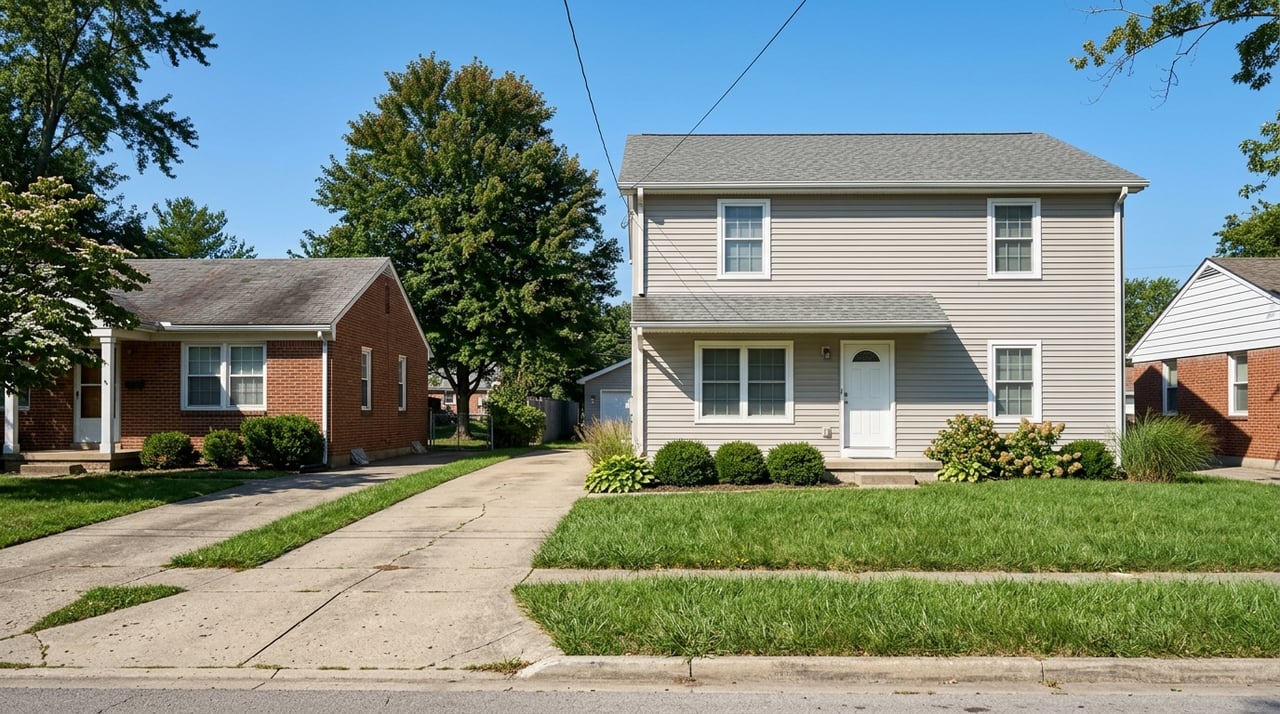
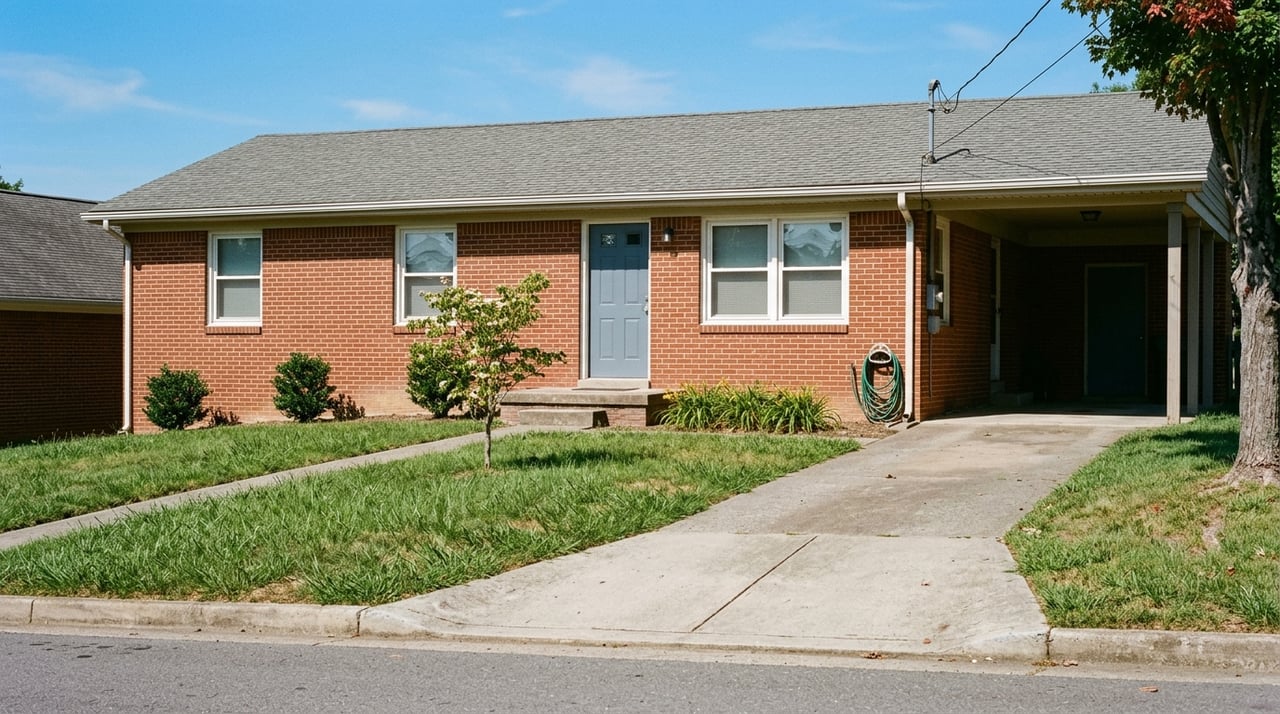
Single-family homes are the most common housing type in Rocky Mount, so they are the most familiar entry point for many investors. Current listing examples range from about $124,900 to $569,000, with many active homes clustering in the mid-$200,000s to low-$300,000s. That creates a broad price spread, but also means many available houses are not automatically low-basis rental buys.
On the rental side, Rocky Mount shows an average rent of about $900, with available rentals ranging from roughly $700 to $1,799. Current examples include smaller apartments around $850 to $950, a 2-bedroom house around $1,300, and a 4-bedroom house around $1,799. That rent ceiling is important because it limits how much income a typical house can generate unless you buy well below market or create added value through improvements.
The upside of single-family homes
Single-family rentals usually offer simpler operations. You have one roof, one resident household, and fewer moving parts than you would with a small multifamily property. For many investors, especially newer ones, that simplicity has real value.
They also tend to have better exit liquidity. Because the buyer pool can include both investors and owner-occupants, resale options are often broader than they are with a triplex or mixed-use property. In a small market, that flexibility can matter when it is time to sell.
The downside of single-family homes
The biggest challenge is cash flow. Based on the average home value of $279,714 and the average rent of $900, a rough gross yield is only about 3.9%. That is before taxes, insurance, maintenance, vacancy, and capital expenses.
For that reason, many single-family deals in Rocky Mount look more like value-add or appreciation-first plays than pure cash-flow investments. If you buy a standard house at a typical market price and rent it at a typical market rent, the numbers may be tight.
When single-family may be the better fit
A single-family property may make more sense if you:
- Want simpler day-to-day management
- Prefer a larger resale buyer pool
- Are targeting a value-add renovation strategy
- Can buy at a discount or improve the property to raise rent
- Want a more familiar property type in a detached-home-heavy market
Small multifamily in Rocky Mount
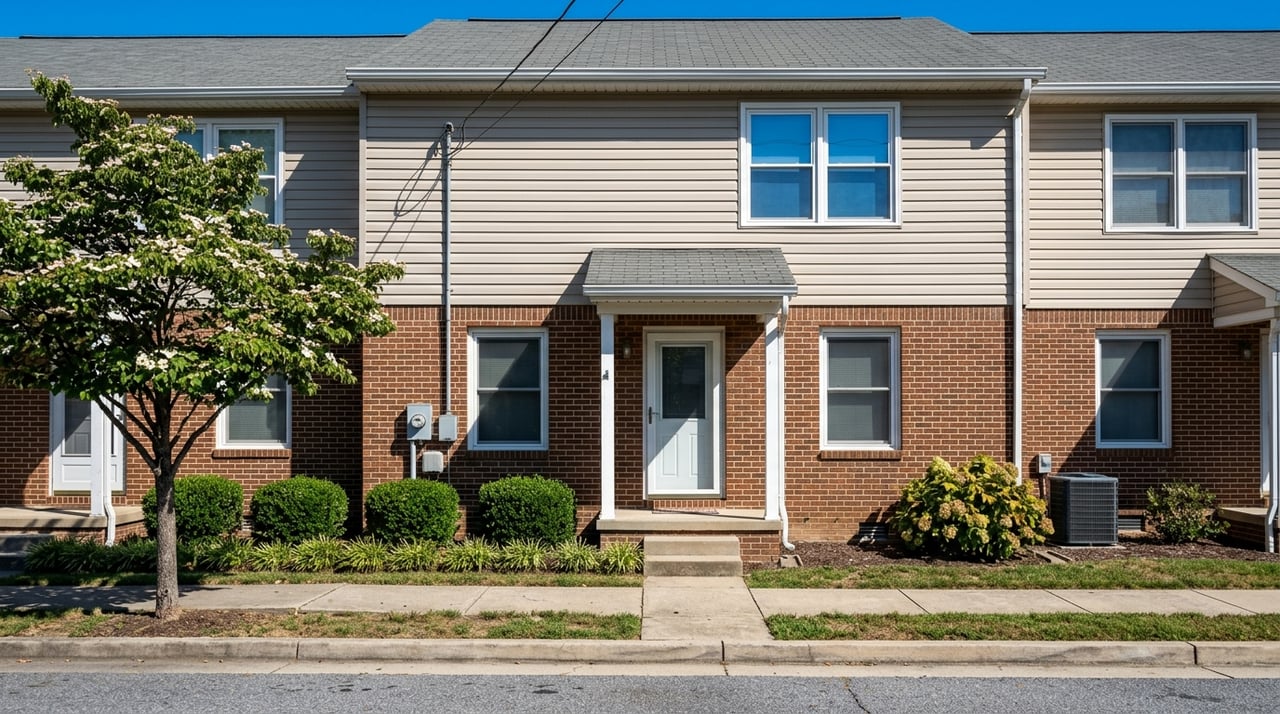
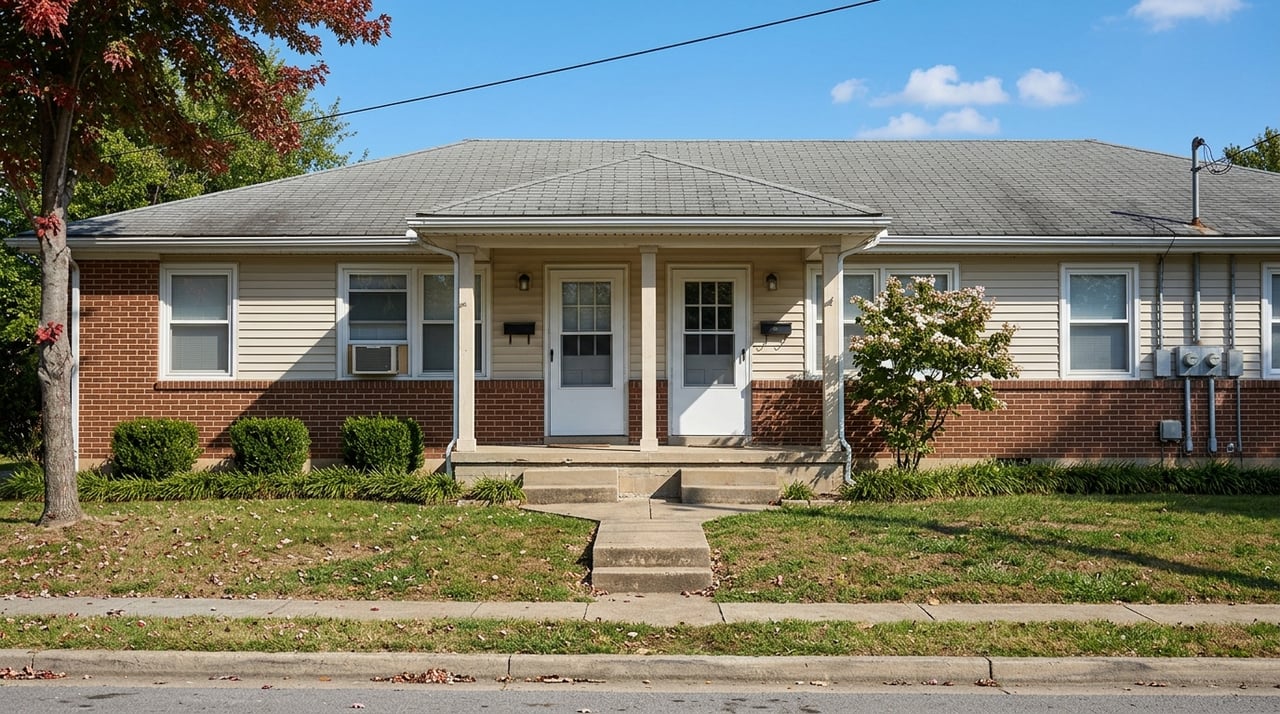
Small multifamily options in Rocky Mount appear to be limited, but that scarcity is part of what makes them interesting. Current public listings in the 24151 area show only a handful of multifamily opportunities, including triplexes, mixed-use buildings, and other non-standard assets. This is not a market with a large supply of cookie-cutter apartment buildings.
That thinner inventory means you may need patience. It also means that when a workable multifamily deal shows up, the income profile can look very different from a typical rental house.
The upside of small multifamily
The core advantage is income density. One currently advertised triplex at $229,900 with $2,425 per month in rent works out to a rough gross yield of about 12.7% before expenses. That is a dramatic difference from the rough yield you might see on a typical single-family home.
Some available properties also point to forced appreciation potential. A current 7-unit value-add property is marketed with below-market rents and room to add units. In practical terms, that suggests investors may find stronger upside in under-rented or repositionable assets than in turnkey houses.
The downside of small multifamily
Small multifamily in Rocky Mount often comes with more complexity. Inventory appears sparse and idiosyncratic, which means each property may require more careful underwriting. You may need to spend more time reviewing rent rolls, lease terms, utility setups, septic or site conditions, and how the current use fits local zoning.
Operational issues can matter more too. One current triplex example includes long-term month-to-month occupancy in one unit, which is a reminder that tenant structure and turnover can directly affect performance. In a smaller market, solving those issues may take longer than it would in a larger one.
When small multifamily may be the better fit
A small multifamily property may make more sense if you:
- Want stronger cash-flow potential
- Are comfortable with more active management
- Can handle more detailed due diligence
- Are looking for under-rented or repositionable assets
- See opportunity in triplexes, mixed-use buildings, or unconventional layouts
Zoning changes could expand options
One of the more encouraging local signals is Rocky Mount’s zoning update. The town fully rewrote its zoning and subdivision ordinance on October 21, 2024, relaxing residential standards to promote affordability and density, adding accessory dwelling unit use, and reducing minimum lot-size requirements.
That does not mean every property can be expanded or converted. It does mean the local policy direction is more flexible than many investors might expect in a small town. For buyers thinking about adding accessory space, reworking an older property, or pursuing a small infill strategy, that shift is worth paying attention to.
Franklin County also distinguishes areas intended for medium-density multifamily and townhouse or garden-style residential uses. Even so, every opportunity still needs a property-specific zoning review before you rely on a future-use plan.
How to compare the two strategies
If you are deciding between single-family and small multifamily, focus on the tradeoff between simplicity and income. Single-family homes are usually easier to understand, easier to manage, and easier to resell. Small multifamily properties may offer far better gross income, but they often demand more analysis and more hands-on oversight.
A simple way to frame it is this:
| Strategy | Best For | Main Strength | Main Risk |
|---|---|---|---|
| Single-family | Investors who want simpler operations | Easier resale and management | Lower rent relative to price |
| Small multifamily | Investors who want cash flow | Higher income density | Sparse inventory and more complexity |
If you are a newer investor, a solid single-family deal with clear renovation upside may feel more manageable. If you already have experience underwriting leases, expenses, and repositioning plans, a small multifamily property may offer stronger long-term returns.
What Rocky Mount seems to reward
Based on current market signals, Rocky Mount does not look like a plug-and-play cash-flow market for standard single-family rentals. The numbers suggest that many house deals need a lower purchase basis, renovation upside, or a long-term appreciation mindset to make sense.
By contrast, the most promising multifamily opportunities appear to be older, under-rented, mixed-use, or adaptable properties rather than turnkey apartment assets. That lines up with the town’s updated zoning direction and the reality of a small market where creative, detail-oriented investors may have an edge.
A practical decision framework
Before you choose a property type, ask yourself these questions:
- Is your top goal monthly cash flow, easier resale, or long-term upside?
- Do you want a simpler property, or are you comfortable managing multiple units?
- Can you underwrite unusual assets with lease, zoning, and utility complexity?
- Are you buying at a basis that leaves room for repairs, vacancy, and capital costs?
- Does the property have a realistic path to higher rent or stronger future value?
In Rocky Mount, discipline matters. A good investment is less about the label on the property and more about whether the numbers, condition, and future use all line up.
If you want help sorting through Rocky Mount opportunities with a local, investor-minded lens, Alexandra Taylor can help you evaluate property types, spot value-add angles, and move forward with a clear plan.
FAQs
Should you buy a single-family rental in Rocky Mount, VA?
- A single-family rental can make sense in Rocky Mount if you want simpler management and easier resale, but many deals will need a discounted purchase price or renovation upside because local rents are modest relative to home values.
Are small multifamily properties better for cash flow in Rocky Mount, VA?
- Small multifamily properties may offer stronger cash flow in Rocky Mount because income can be spread across multiple units, but inventory is limited and each property often requires more detailed due diligence.
What is the average rent in Rocky Mount, VA?
- Current rental market data shows an average rent of about $900 in Rocky Mount, with listed rentals ranging roughly from $700 to $1,799 depending on size and property type.
How owner-occupied is Rocky Mount, VA?
- About 56% of housing in Rocky Mount is owner-occupied, which suggests a rental market exists but is not unusually large compared with more renter-heavy markets.
Did Rocky Mount, VA change zoning rules for housing?
- Yes. Rocky Mount rewrote its zoning and subdivision ordinance in October 2024, relaxing some residential standards, adding accessory dwelling unit use, and reducing minimum lot-size requirements, though each parcel still needs its own zoning review.
What type of investment property may have the most upside in Rocky Mount, VA?
- Current market signals suggest the strongest upside may come from older houses with accessory space, under-rented 2- to 4-unit properties, or mixed-use and value-add assets rather than standard turnkey rentals.